
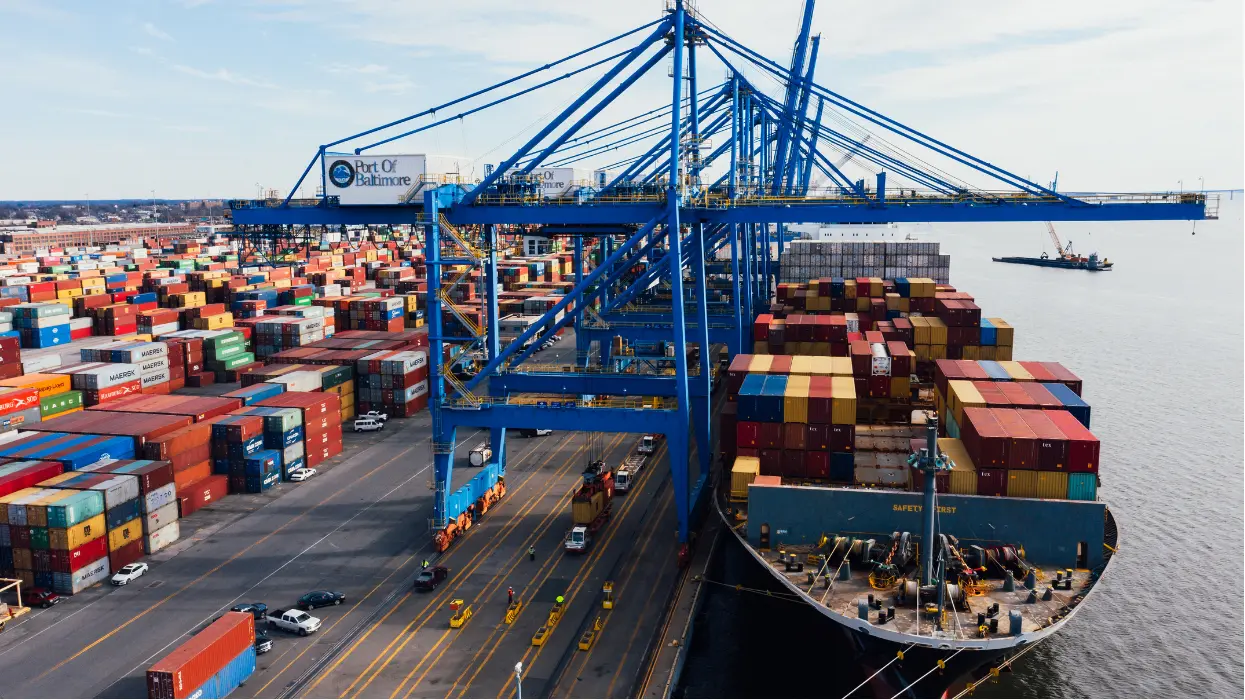
Managing a modern maritime supply chain in 2026 is no simple task. Between volatile freight markets, complex contract management, and the constant battle to secure vessel space, logistics teams are stretched thin. If you are still relying on disjointed spreadsheets to track allocations, you are likely losing time, money, and operational agility. This article explores the most effective solutions to these industry challenges by reviewing the Carrier allocation management platform options available today, helping you take back visibility and control over your global shipments.
At a Glance
In 2026, carrier allocation management platforms are essential for large-volume shippers looking to automate bookings, optimize carrier contracts, and gain real-time visibility across maritime operations. Leading solutions like BuyCo,BlueCargo, and SAP help logistics teams reduce manual work, improve allocation accuracy, and better manage vessel space through AI, API integrations, and centralized supply chain workflows.
The Challenge of Carrier Allocation in 2026
Manual carrier allocation is a notorious bottleneck for large-volume shippers. Relying on siloed data and offline spreadsheets leads to inaccurate volume tracking, poorly managed contracts, and missed fulfillment commitments. The impact is severe: you suffer wasted administrative hours, increased freight costs, and delays in processing critical compliance documentation.
For instance, struggling to manage your VGM (Verified Gross Mass—the total weight of a packed container, made mandatory by the International Maritime Organization in 2016) electronically can result in rolled cargo. Similarly, when you mismanage your TEU (Twenty-foot Equivalent Unit the standard measure for container capacity) allocations, you risk contract penalties and widespread supply chain disruptions. Purpose-built software is now required to mitigate these issues, centralize operations, and safeguard your bottom line.
Selection Criteria for the Best Carrier Allocation Management Platform
To determine the top solutions for 2026, we evaluated platforms based on a strict set of capabilities. The best platforms must:
- Centralize and automate operational processes: Eliminate manual data entry and streamline booking workflows.
- Offer robust API connections: Facilitate seamless, real-time data exchanges between carriers, forwarders, and internal ERP systems.
- Provide comprehensive visibility and control: Deliver end-to-end tracking capabilities over the entire maritime supply chain to proactively manage exceptions and delays.
Top 5 Carrier Allocation Management Platforms
1. BuyCo Platform
BuyCo is a maritime supply chain solution designed specifically for large-volume shippers. It allows you to automate carrier allocation, seamlessly execute contracts, and achieve high visibility and control over global shipments. Serving importers and exporters across 120+ countries and tracking over 60 million events and 1 million containers annually, the BuyCo Platform empowers users to significantly streamline processes and increase productivity.
Standout Features:
- Automated Booking & Allocation: Smart algorithms match your volumes with the best available carrier contracts.
- Direct API Connections: Real-time data syncs across 95% of ocean carriers.
- Centralized Document Management: Instantly generate, share, and manage vital shipping documents, including electronic VGM submissions.
- Cons: Not ideal for small shipment volumes
2. Descartes Ocean Freight Management
Descartes provides robust ocean freight management capabilities, focusing heavily on digitizing documentation and offering fundamental tracking tools. It assists logistics teams in managing their expansive carrier networks by evaluating core factors essential for ocean freight software.
Standout Features:
- Regulatory Compliance: Strong tools for managing global trade compliance.
- Forwarder Integration: Easily connects shippers with freight forwarders.
- Cons: May be better suited to organizations with broader trade-compliance or enterprise logistics requirements
3. BlueCargo
BlueCargo is a logistics optimization platform focused on improving container allocation, port operations, and carrier coordination for importers, exporters, and drayage providers. The platform helps shippers centralize container flows, reduce operational inefficiencies, and gain better control over maritime transportation processes through data-driven decision-making and workflow automation.
Standout Features:
- Allocation Visibility: Tracks container movements across carriers and ports.
- Workflow Automation: Reduces manual coordination and delays.
- Cons: Appears more focused on container and port operations than full ocean-freight execution, based on publicly available product positioning
4. SAP Transportation Management
SAP Transportation Management is an enterprise-grade multicarrier management solution. It helps large organizations manage complex routing and carrier allocations across multiple modes of transport, including highly detailed ocean freight modules [2].
Standout Features:
- Multimodal Capabilities: Manages ocean, air, rail, and road freight in one ecosystem.
- ERP Synergy: Seamlessly integrates with existing SAP infrastructure.
- Cons: May require more IT involvement for enterprise deployments.
5. Freightos
Freightos is specialized freight procurement software focused heavily on the rate management side of logistics. It allows shippers to analyze carrier rates, secure vessel space, and allocate volumes based on optimized contract performance and real-time market pricing data.
Standout Features:
- Rate Benchmarking: Access to live market indexes and pricing trends.
- Procurement Optimization: Streamlines the freight bidding process.
- Cons: Companies requiring extensive post-booking execution workflows should evaluate fit based on their operational needs.
How the BuyCo Platform Transforms Your Operations
The BuyCo Platform is engineered to comprehensively optimize their maritime supply chain for large-volume shippers. By centralizing operations, the platform enables logistics departments to abandon fragmented spreadsheets and confidently manage their container lifecycles in one unified workspace.
When you leverage BuyCo’s direct API connections, you eliminate repetitive data entry and gain immediate access to schedules, rates, and container statuses. This allows your team to centralize and automate operational processes effectively. In fact, large-volume shippers using the platform’s automated booking and allocation features frequently report that they can reduce 670 hours of manual administrative work annually, freeing up teams to focus on strategic growth rather than putting out fires.
« By leveraging AI and direct API connections, the BuyCo Platform empowers large-volume shippers to achieve unprecedented visibility and control, ultimately driving down costs and increasing productivity. » Carl Lauron, BuyCo CEO
Conclusion
In 2026, relying on manual carrier allocation is no longer sustainable for large-volume shippers. Implementing a specialized solution is critical to navigating fluctuating capacities and maintaining healthy carrier relationships.