
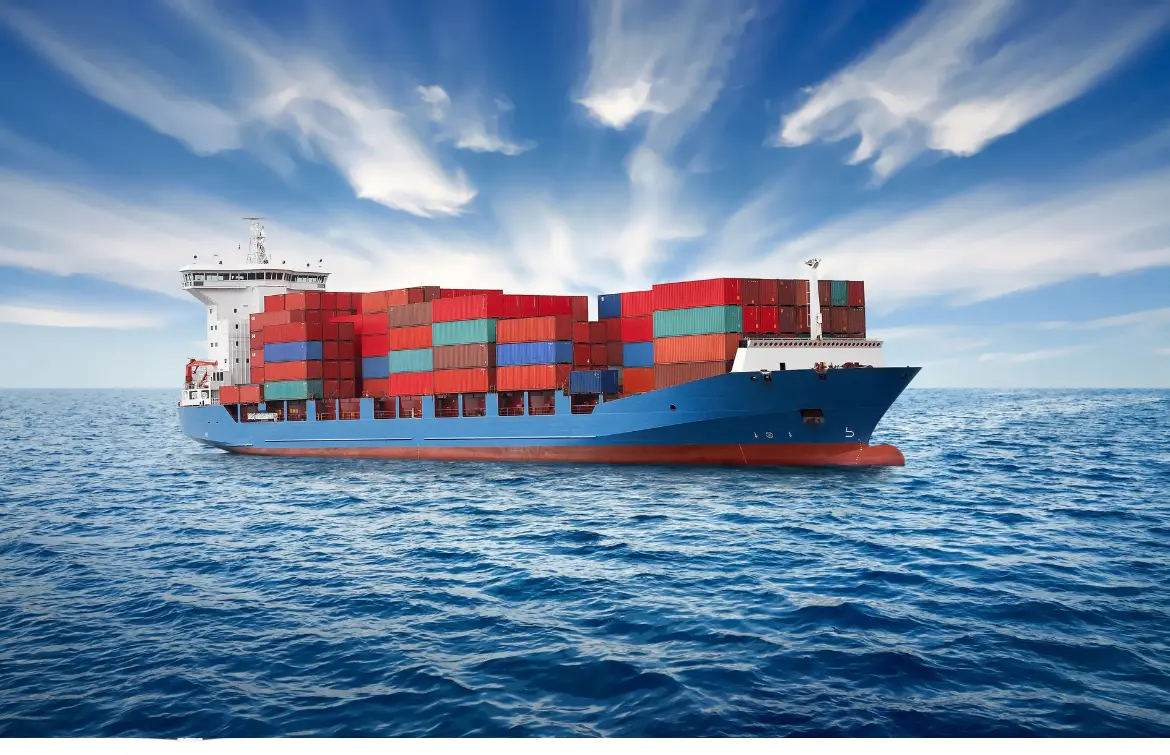
Managing global supply chains in 2026 requires more than just knowing where a container or package might be. According to the UNCTAD Review of Maritime Transport 2025, over 80% of world merchandise trade moves by sea making fragmented carrier data, late delivery surprises, poor ETA accuracy, and massive visibility gaps once freight leaves the dock an acute risk for importers and exporters. For logistics teams managing large volumes, these blind spots result in costly demurrage, disrupted manufacturing schedules, and frustrated end-customers.
The solution lies in modern shipment tracking software. Today’s buyers are moving away from reactive status updates toward proactive, AI-powered systems of record. This guide will help you navigate the top platforms available, giving you the clarity needed to select the software that will centralize and automate operational processes for your team.
Real-Time Shipment Tracking Software: At a Glance
| Platform | Best for | Core mode | Strongest use case |
| BuyCo | Ocean freight shippers | Ocean/container | Container tracking + execution |
| Descartes MacroPoint | North American truckload | Road/LTL/intermodal | Carrier location visibility |
| Shippeo | European multimodal freight | Road/ocean/rail | Predictive ETA and multimodal visibility |
| AfterShip | Ecommerce parcel | Parcel | Branded tracking pages |
| Narvar | Retail post-purchase | Parcel/retail | Customer delivery experience |
What Real-Time Shipment Tracking Actually Does in 2026
Modern real-time shipping software aggregates data from carriers, telematics providers, ocean lines, and parcel networks into a single, normalized view. According to the UNCTAD Review of Maritime Transport 2025, over 80% of world merchandise trade moves by sea, a scale that makes software-driven tracking infrastructure non-negotiable for any high-volume shipper. Instead of passively displaying tracking numbers, a true shipment visibility platform actively reconciles events, detects anomalies, and updates arrival times using advanced algorithms.
In the complex maritime supply chain, visibility must be paired with execution. « Raw data without context is just noise; large-volume shippers need actionable intelligence to truly increase productivity, » notes BuyCo’s product leadership team. Leading tools now function as central control towers, managing everything from proactive delay alerts to internal escalation rules tied to service-level agreements (SLAs).
Selection Criteria: How We Evaluated Real-Time Shipping Platforms
Building on the framework Gartner uses in its Magic Quadrant for Real-Time Transportation Visibility Platforms, we evaluated platforms based on their ability to deliver true visibility in live, high-volume production environments.
API Connections and Data Normalization: Platforms must integrate cleanly via robust Application Programming Interfaces (APIs) software intermediaries that allow two applications to talk to each other and Electronic Data Interchange (EDI) feeds.
Multimodal and Multi-Carrier Coverage: We heavily weighted multi-carrier tracking software capable of normalizing data across fragmented ocean, rail, air, and over-the-road networks.
ETA Prediction Software: Estimated Time of Arrival (ETA) accuracy is critical. We prioritized platforms utilizing predictive models trained on lane history and live signals over those relying on static carrier estimates.
Workflow Automation: The best real-time tracking software actively identifies delays, automates exception handling, and drives operational action.
5 Best Real-Time Shipment Tracking Software 2026
The following platforms represent the most effective solutions on the market today, categorized by their strengths across different logistics environments.
1. BuyCo (Best for Maritime Supply Chain & Ocean Freight)
BuyCo is an ocean freight management and container shipping platform for large-volume importers and exporters. It combines container tracking, predictive ETA, booking, document workflows, and collaboration with carriers and forwarders in one platform.
The platform serves importers and exporters across 120+ countries, tracking over 60 million events and 1 million containers annually. BuyCo goes beyond mere visibility by connecting carriers, forwarders, and partners to automate booking, streamline document management, and execute real-time planning.
- Centralize and automate operational processes: BuyCo eliminates manual data entry and fragmented email chains, helping logistics teams reduce up to 670 hours of manual track-and-trace efforts annually.
- Advanced ETA prediction software: Leveraging AI and historical carrier performance data, BuyCo provides highly accurate predictive ETAs, mitigating supply chain bottlenecks before they happen.
- Streamline processes and increase productivity: From booking requests to the issuance of the Bill of Lading, BuyCo allows shippers to automate repetitive tasks and optimize their maritime supply chain workflows seamlessly.
In a sector where the FMC’s Final Rule on Detention and Demurrage Billing has increased regulatory scrutiny on carrier billing practices, BuyCo’s automated free-time tracking and milestone visibility directly reduce exposure to unjustified D&D charges.
Who is BuyCo best for?
BuyCo is best suited for enterprise shippers managing high volumes of ocean freight who need more than visibility alone. It is especially relevant for teams that want to reduce manual container tracking, automate booking and documentation workflows, improve ETA accuracy, and coordinate with carriers and forwarders from one system.
BuyCo may not be the best fit for ecommerce brands focused only on parcel delivery notifications, or for brokers whose primary need is North American truckload GPS tracking.
2. Descartes MacroPoint (Best for North American Truckload)
Descartes MacroPoint specializes in real-time location tracking for truckload, Less-Than-Truckload (LTL), and intermodal shipments, largely via mobile tracking and telematics data.
- Rapid Carrier Onboarding: Its connectivity model emphasizes ease of onboarding for long-tail and spot-market carriers.
- Frictionless Real-Time Shipping Software: Brokers and shippers use MacroPoint to track freight without requiring every carrier to support advanced APIs.
- Reliable Baseline Visibility: It provides incredibly reliable geographic tracking for over-the-road freight.
3. Shippeo (Best for European Freight & Multimodal)
Shippeo is a global real-time transportation visibility platform that has deep roots in the European market and expanding global reach, focusing on high-accuracy data quality.
- Machine Learning ETAs: Shippeo invests heavily in proprietary risk detection models and carbon visibility tracking.
- Cross-Border Expertise: It normalizes tracking events for complex international flows across road, ocean, and rail.
- Proactive Alerting: Shippeo is frequently selected by mid-market to enterprise shippers seeking deep integrations with existing Transport Management Systems (TMS).
4. AfterShip (Best Parcel Tracking Software)
For ecommerce and retail brands, AfterShip is widely recognized as the premier parcel tracking software, balancing global coverage with post-purchase customer experience features.
- Consumer-Facing Visibility: AfterShip powers branded tracking pages and automated delivery notifications across hundreds of global parcel carriers.
- Exception Tagging: The platform allows customer support teams to quickly identify lost or delayed packages.
- Fast Deployment: It is built for digitally native brands that need scalable tracking volumes deployed quickly without heavy IT overhead.
5. Narvar (Best for Retail Post-Purchase Experience)
Narvar is a post-purchase experience and multi-carrier tracking software designed specifically for large retailers and enterprise Direct-to-Consumer (DTC) brands.
- Customer Touchpoint Optimization: Narvar focuses less on raw logistics telemetry and more on dynamic messaging and delivery promise-date management.
- AI-Assisted Exception Handling: The platform helps retailers reduce « where is my order? » (WISMO) support inquiries.
- Deep Ecommerce Integration: Narvar integrates tightly with Order Management Systems (OMS) to keep end-consumers informed in real-time.
How to Choose the Right Platform for Your Operations
The best shipment tracking software for your organization depends heavily on your specific operational constraints and transportation modes. To make an informed choice in 2026, you should:
Define your core problem: McKinsey research finds only 60% of supply chain leaders have full visibility into their tier-one suppliers. If fragmented data costs your team hundreds of hours tracking ocean freight, you need a specialized maritime solution like the BuyCo Platform. If your main issue is consumer WISMO calls, parcel tracking software is the right fit.
Evaluate ETA intelligence: Ensure the platform utilizes sophisticated ETA prediction software rather than merely scraping delayed carrier websites. Your ability to react to supply chain shocks depends on the lead time your tracking software provides.
Prioritize workflow automation: Look for real-time shipping software that triggers automated actions, such as dynamic alerts for rolled cargo or automated document generation, so you can increase productivity across your logistics teams.